


Programs

Our Programs

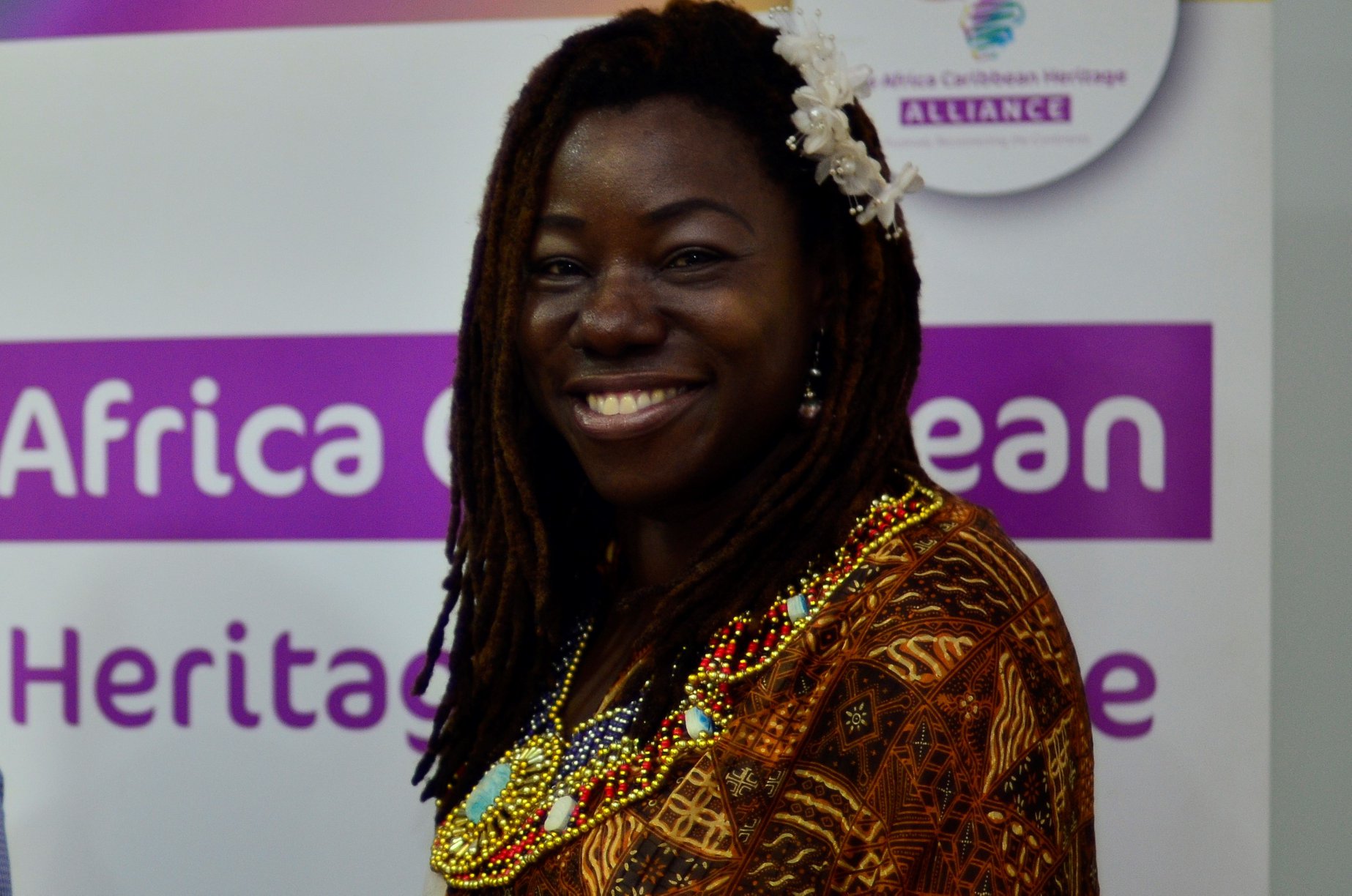
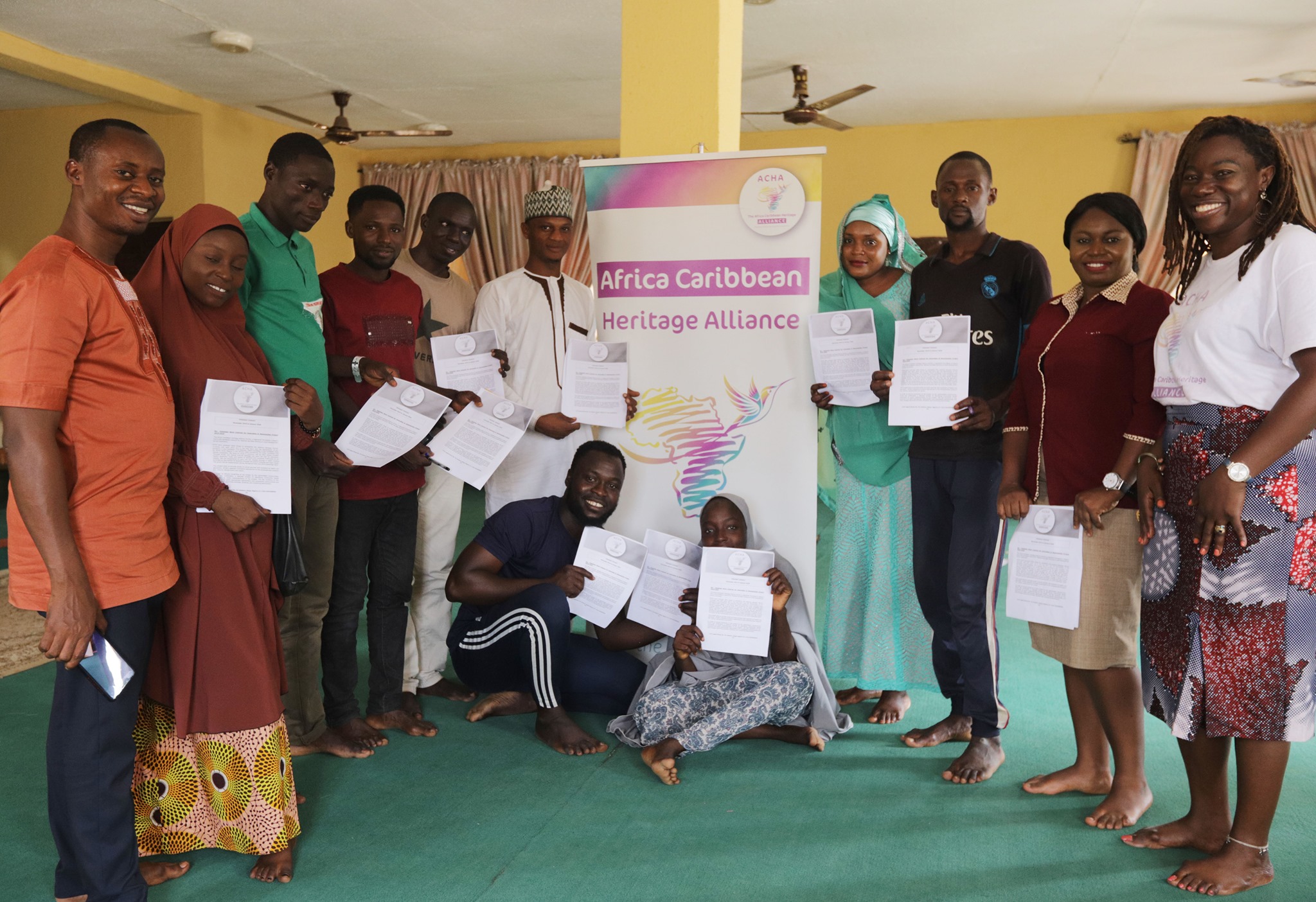
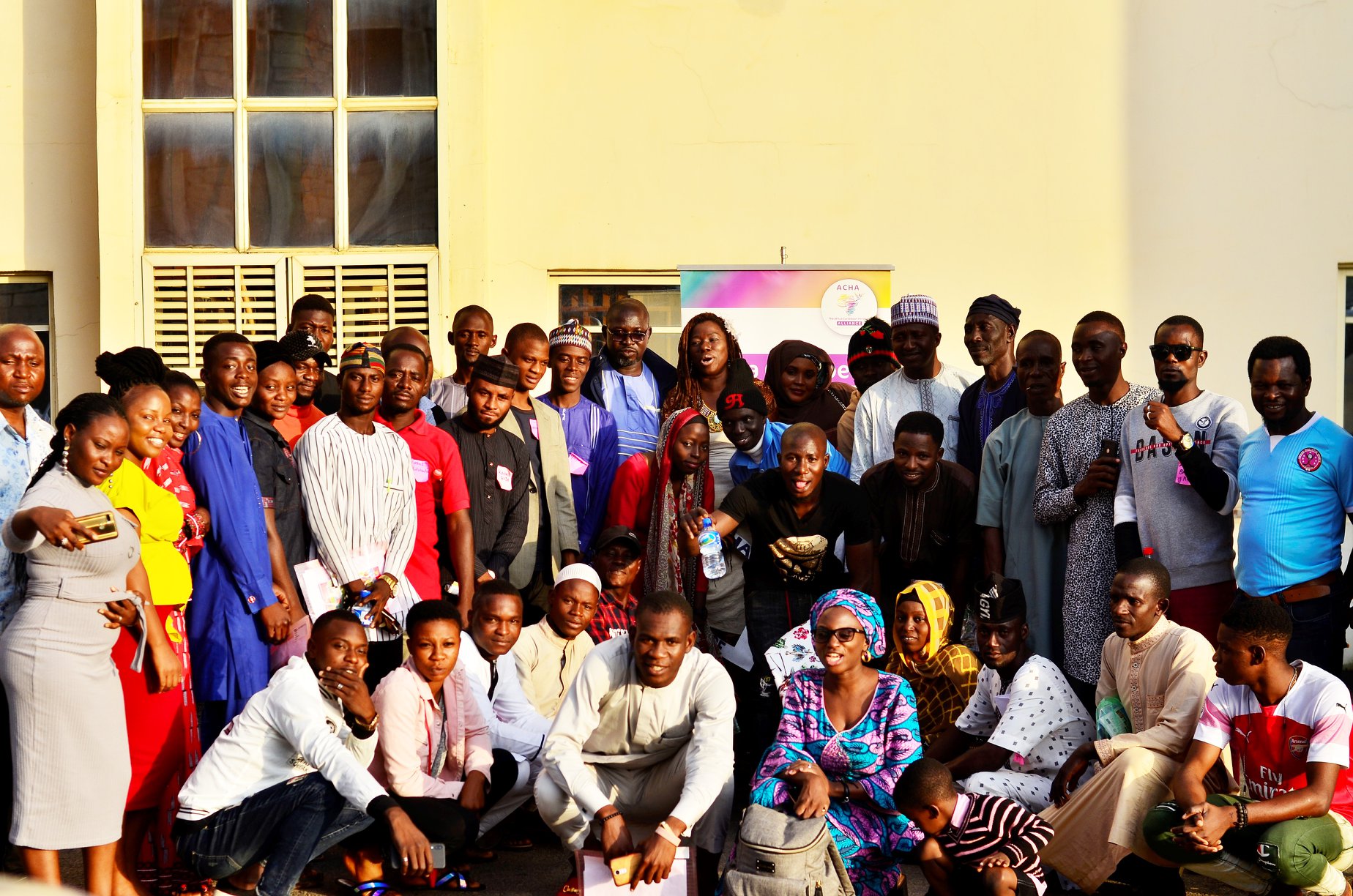
The Africa Caribbean Heritage Alliance (ACHA) aims to promote socio-economic and cultural developments between Africa and the Caribbean. It facilitates an environment for the collective celebration of the multicultural diversity of the Caribbean with the African ancestry sharing histories in culture, folklore, music, dance, arts, crafts, food, tourism and business opportunities. Africa, the vibrant continent that has awed and inspired the world and which many countries including St. Maarten shares a rich cultural heritage, is widely reckoned today a land of growing economic potential and enterprise.

The ACHA is a registered Foundation and operates out of St. Maarten, as it’s logistical hub in the Caribbean, and in Nigeria West Africa. This modality enables outreach to other Caribbean and African countries and it will facilitate opportunities to further contribute to improvements in the quality of lives of thousands, particularly of youth and women.
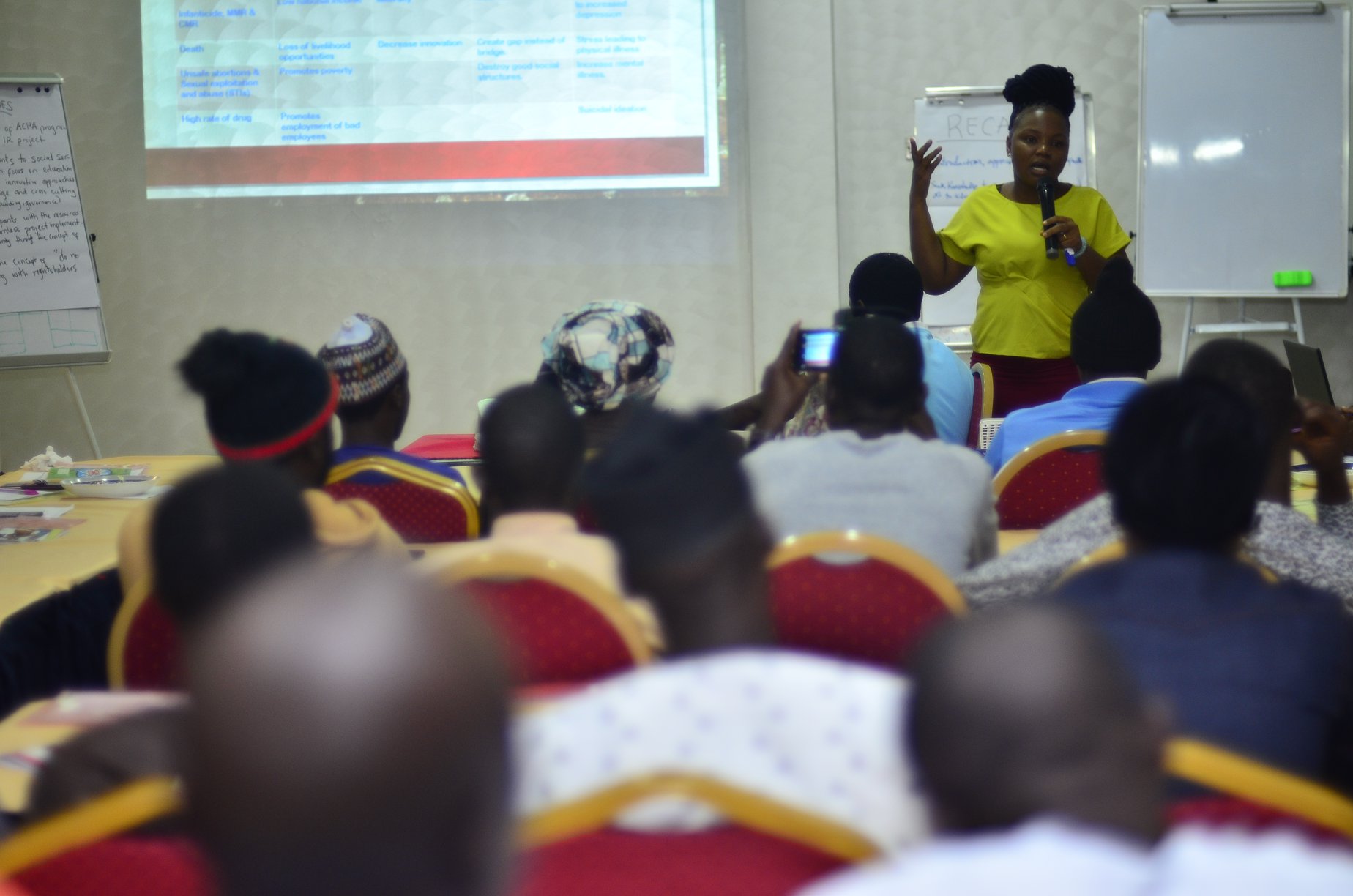
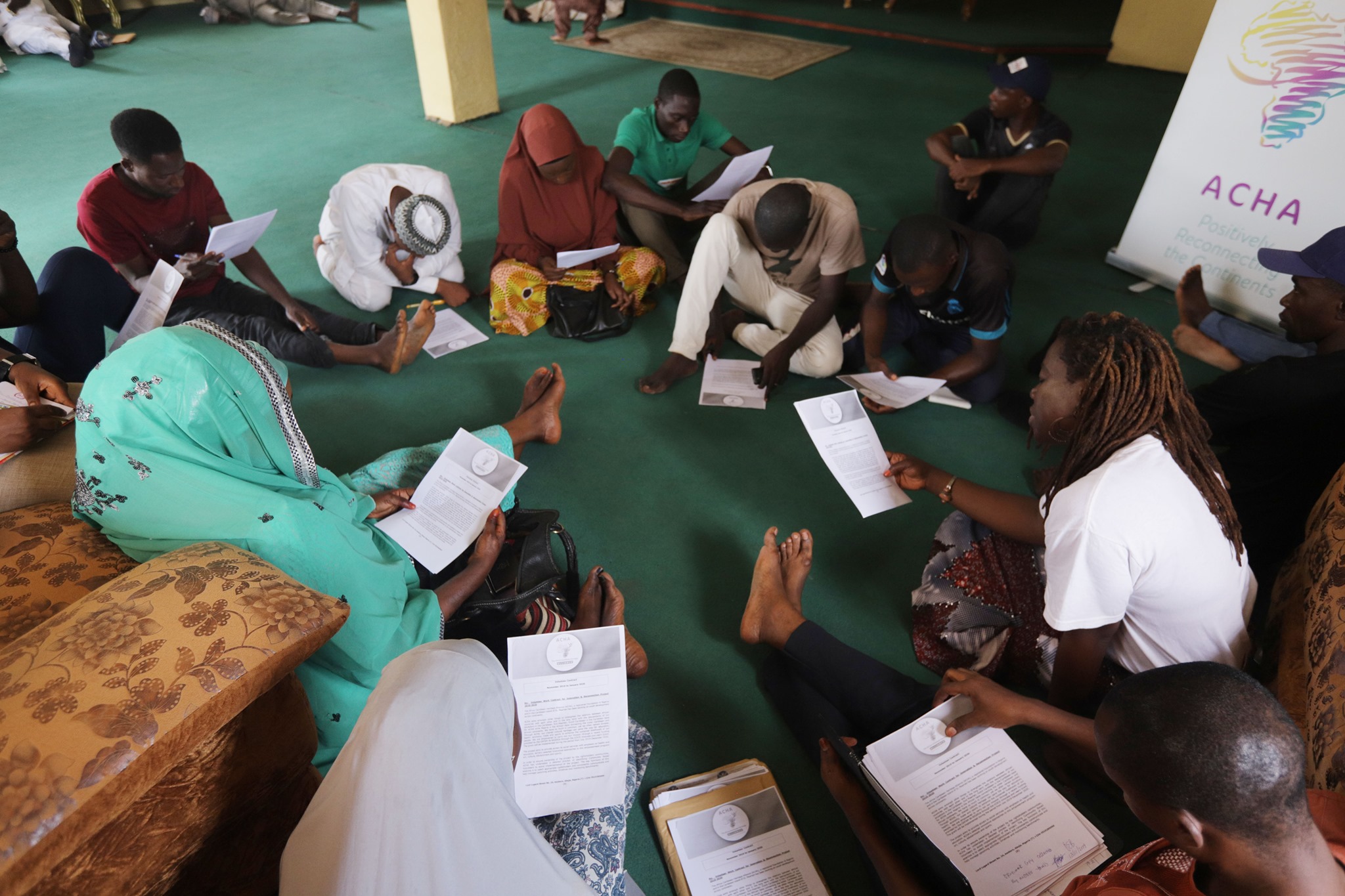
Various programs are being organised and carried out for the Caribbean people to promote their cultural heritage and reconnect them on the pillars of Recognition, Justice and Development.

We want a society were
Africa and the Carribean are
reconnected positively
#

250

MEMBERS

#

3940

PEOPLE IMPACTED

#

25

Events

OUR PROGRAMS

event

John Maxwell Certified Trainings

Youth Empowerment Programs

event

Africa Connect Tours

event

Africa Night Events

event

Arts, Entertainment and Fashion

event

Coaching, Mentoring and Networking

JOIN, ADVERTISE OR MAKE DONATIONS

Logical Framework

  1. Overall Goal

To reduce violence against women and girls (VAWG) in Nigeria by strengthening grassroots women’s rights organizations (WROs), enhancing community-led prevention, and advocating for stronger laws and accountability.

  • Indicators:

Reduction in reported cases of VAWG in target communities; increased access to protection, medical, psychosocial and legal referral services; and improved implementation or budget allocation for the VAPP Act in targeted states.

  • Baseline:

31% of women aged 15–49 have experienced physical violence. Access to survivor services is low, and many states do not fully implement the VAPP Act.

  • Targets:

At least a 10% reduction in VAWG cases in targeted LGAs; a 20% increase in survivor access to quality services; and at least five states commit to improved VAPP Act implementation or budget allocations.

  • Assumptions:

Government remains cooperative, political stability is maintained, and access to communities is uninterrupted.

  1. Project Purpose (Outcome)

Grassroots women’s rights organizations are able to sustainably prevent and respond to violence against women and girls, particularly among structurally marginalized women and girls.

  • Indicators:

Percentage of WROs with improved institutional capacity in financial management, digital safety, feminist monitoring and evaluation; degree of positive change in community attitudes towards harmful practices like FGM, child marriage, and intimate partner violence; and number of successful advocacy actions on VAPP Act implementation.

  • Baseline:

Most grassroots WROs lack core funding, formal systems and structure. Harmful cultural norms are widely accepted.

  • Targets:

20 WROs supported; at least 70% of them adopt improved systems and policies; 25% positive shift in harmful norms within targeted communities; at least 10 advocacy actions conducted.

  • Assumptions:

WROs are willing to collaborate and adopt new practices; community and traditional leaders are open to dialogue.

  1. Output 1: Institutional Resilience of WROs Strengthened

  • Indicators:

Number of WROs receiving core funding or sub-grants; number of staff trained in feminist M&E, financial sustainability, proposal writing and digital safety; number of WROs adopting safeguarding, governance, and financial accountability policies.

  • Baseline:

Grassroots WROs operate with limited funding, weak administrative structures and no formal policies.

  • Targets:

20 WROs receive funding and capacity-building; at least 60 staff trained; at least 15 WROs adopt safeguarding and accountability policies.

  • Assumptions:

Grant disbursement is timely, organizations remain committed, and there is no misuse of funds or internal conflict.

  1. Output 2: Community-Led Prevention and Empowerment Implemented

  • Indicators:

Number of communities involved in awareness campaigns and dialogues; number of men, boys, traditional and religious leaders trained as gender advocates; degree of decline in social acceptance of FGM, child marriage and wife-beating.

  • Baseline:

Community-level prevention programs are minimal; harmful practices are widely accepted; men and boys are rarely involved in prevention work.

  • Targets:

15 communities actively implement prevention activities; 500 men and boys and 100 traditional/religious leaders engaged; 25% decrease in community acceptance of harmful practices.

  • Assumptions:

Community gatekeepers are willing to cooperate; interventions do not trigger harmful backlash.

  1. Output 3: Laws, Accountability and Advocacy Strengthened

  • Indicators:

Number of advocacy engagements with state assemblies, judiciary and police on VAPP Act domestication and implementation; number of states allocating budgets for VAWG response; number of shadow reports or accountability scorecards produced by WROs.

  • Baseline:

VAPP Act is not domesticated or enforced in several states; most WROs are not involved in structured advocacy or accountability documentation.

  • Targets:

Advocacy campaigns conducted in at least six states; three states domesticate or allocate budgets for the VAPP Act; at least three accountability reports or scorecards produced and submitted.

  • Assumptions:

Policy makers remain accessible; civic space is open; no legal restrictions on advocacy activities.

Draft Concept Note for the UN Trust Fund to End Violence Against Women and Girls (2025 Call)


1. The Challenge: Pervasive Violence Against Women and Girls in Nigeria

Violence Against Women and Girls (VAWG) in Nigeria is a widespread human rights crisis deeply rooted in unequal power dynamics, harmful social norms, and institutional failures. It is a critical barrier to Nigeria’s overall development, eroding the safety, dignity, and potential of millions of women and girls.

Current Status and Statistics (VAWG in Nigeria)

Indicator Statistic Implication
Physical Violence Prevalence Approximately 1 in 3 (31%) women aged 15-49 have experienced physical violence. Violence is endemic and cuts across all socio-economic, religious, and ethnic groups.
Sexual Violence (Girls) 1 in 4 girls experience sexual violence. The home, school, and community are unsafe spaces for children; perpetrators are often known and trusted family/community members.
Harmful Traditional Practices Nigeria has the third-highest prevalence of Female Genital Mutilation (FGM) worldwide. Deeply entrenched cultural and traditional practices actively perpetuate violence against girls.
Decision-Making Autonomy Over 60% of women are unable to make autonomous decisions regarding their sexual and reproductive health. Lack of agency exacerbates vulnerability to GBV and exploitation.
Exacerbating Factors Violence surged during the COVID-19 pandemic (e.g., domestic abuse and rape cases increased by 149% in some reports). Economic stress, food insecurity, and health crises significantly worsen the rate of violence and women’s well-being.

Effect on Women and Girls

The impact of VAWG is devastating and multi-faceted, ranging from immediate physical harm to long-term psycho-social and economic consequences:

  • Physical and Mental Health: Injuries, unwanted pregnancies, sexually transmitted infections, and severe negative impacts on mental and emotional well-being (e.g., anxiety, depression, Post-Traumatic Stress Disorder).
  • Educational and Economic Loss: School dropout, loss of income and assets, and reduced participation in political and economic life.
  • Perpetuation of Poverty: By limiting women’s agency and economic power, violence traps families and communities in cycles of poverty.

Why Intervention is Essential

Intervening to end VAWG is not merely a social service; it is a strategic investment that will:

  • Unlock Human Potential: Free women and girls to participate fully in education, the economy, and governance, accelerating national development (SDG 5).
  • Strengthen Justice Systems: Increase accountability for perpetrators and enforce the rule of law, which is vital for a stable society.
  • Promote Community Well-being: Change harmful social norms, leading to more peaceful and productive homes and communities.

2. ACHA’s Formula for Change: Leveraging Grassroots and Global Power

Universally  “ACHA’s formula for change,” we will define it here as a grounded and globally-informed strategy that combines your grassroots focus, gender inclusion mandate, and international connectivity.

ACHA’s Formula for Change: G2L×R2

Grassroots Leadership×Global Connectivity×Resourcing Resilience

This formula centers our  identity as a grassroots non-governmental organization (NGO) with a global outlook, committing to:

  • G$^2$L (Grounded Grassroots Leadership): Focus on mobilizing and amplifying the voices of women and girls at the community level.
  • Global Connectivity: Leverage the “Africa Caribbean Heritage Alliance” network to import best practices, resources, and advocacy strength.
  • R$^2$ (Resourcing Resilience): Build the capacity and sustainability of local women’s rights organizations (WROs) and community groups, directly addressing the UN Trust Fund’s core theme.

3. Proposal Design for Success: The Alignment Framework

The success of this proposal hinges on aligning ACHA’s unique identity with Nigeria’s most urgent needs and the UN Trust Fund’s objectives.

3.1. ACHA’s Passion, Strengths, and Nigeria’s Needs (The “Sweet Spot”)

Question ACHA’s Answer/Assessment Rationale for the Proposal
1. What is ACHA passionate about? Grassroots Gender Inclusion: Amplifying the voices of women and girls, especially those in marginalized or underserved communities (e.g., rural, internally displaced, or women with disabilities). Directly aligns with the UN Trust Fund’s focus on ‘Resourcing Resilience’ and ‘structurally Marginalized Women and Girls.’
2. What are ACHA’s strengths? Community Trust and Global Network: Deep community presence (grassroots NGO) combined with a unique, expansive international network (Africa Caribbean Heritage Alliance). Allows for context-specific, culturally-sensitive local programming supported by transferable, evidence-based global best practices and cross-regional advocacy.
3. What does Nigeria need? Effective VAPP Act Implementation & Sustained WRO Funding: Legislation exists but its domestication is low, and its implementation/funding is inadequate, especially for local WROs serving survivors. ACHA  will focus on building the capacity and resilience of the organizations that are key to the improved access to services and stronger accountability systems outcomes.

3.2. Detailed Analysis for Concept Note Content

What is Causing this Challenge?

The root cause is gender inequality sustained by:

  • Harmful Social and Cultural Norms: Practices like FGM, child marriage, and the cultural acceptance of wife-beating are deeply entrenched and often upheld by traditional and religious leaders.
  • Weak Accountability Systems: Low domestication of the Violence Against Persons Prohibition (VAPP) Act in many states, inadequate funding for the implementation mechanisms, and a culture of impunity.
  • Economic Vulnerability: Poverty and women’s lack of economic power create dependency on perpetrators, making it difficult for survivors to leave violent situations.

Who is Affected and Who is Contributing?

  • Affected: Women and girls across all demographics, but particularly structurally marginalized women and girls in rural areas, those with disabilities, those in Internally Displaced Persons (IDP) camps, and those facing specific harmful traditional practices like FGM and widowhood rites.
  • Contributing/Perpetrators: Overwhelmingly, the perpetrators are men known to the victim: intimate partners, family members (e.g., uncles, step-fathers), and community leaders.
  • Enabling/Maintaining: Weak State Institutions (police, judiciary, un-domiciled laws), and community/traditional systems that enforce the culture of silence and stigmatization against survivors.

What is Being Done to Address This Challenge?

  • Legislation: The VAPP Act (2015) exists at the Federal level, but its domestication and implementation vary widely across states.
  • Civil Society: Local Women’s Rights Organizations (WROs) provide essential legal aid, shelters, psychosocial support, and community mobilization (e.g., engaging men and boys).

Where are the Gaps Between Challenge and Solutions?

  1. Low Institutional Resilience: WROs and feminist organizations, who are the frontline responders, suffer from inadequate, short-term, and restricted funding, threatening the sustainability of their services. (Directly addresses UNTF focus: Resourcing Resilience).
  2. Uneven Legal Coverage and Implementation: The VAPP Act is not domesticated in all states, leading to a legal vacuum and a lack of accountability in those regions.
  3. Lack of Integrated, Accessible Services: Services (shelter, legal, medical, psychosocial) are often non-existent or inaccessible for rural and structurally marginalized women and girls.

Who Can We Engage to Collaborate (Locally and Internationally)?

  • Local/National: State-level Ministries of Women Affairs, the National Agency for the Prohibition of Trafficking in Persons (NAPTIP), local police gender units, traditional and religious leaders, local WROs in non-domesticated states, and community-based vigilante/safety groups.
  • International/Global: UN bodies (UN Women, UNFPA), global networks (e.g., Women’s Rights Without Frontiers, AUDA-NEPAD for technology solutions), Caribbean-based diaspora/heritage groups for cross-cultural advocacy and resource mobilization.

How Can ACHA Leverage its Global Networks?

ACHA’s “Africa Caribbean Heritage Alliance” network can be leveraged to:

  • Transfer of Innovative Models: Bring evidence-based intervention models (e.g., from the Caribbean, which shares similar colonial/patriarchal heritage) to adapt and scale in Nigerian contexts.
  • Cross-Regional Advocacy: Coordinate a global campaign linking VAWG in Nigeria to international heritage issues, amplifying the voices of Nigerian women to a wider donor and policy audience.
  • Resource and Capacity Sharing: Facilitate peer-to-peer training between Nigerian grassroots WROs and more established WROs in the diaspora for institutional strengthening and digital safety protocols.

4. Adopted/New Solution for Change (ACHA’s Proposed Project)

Based on the analysis, ACHA’s new solution will be a two-pronged, locally-led program focused on building the institutional capacity of WROs and enhancing prevention for structurally marginalized groups.

Project Title: Resilient Voices, Safe Spaces: Empowering Grassroots WROs and Structurally Marginalized Girls in Nigeria

UN Trust Fund Outcome ACHA’s Core Strategy & Activities Target Group
Strengthening resilience of feminist and Civil society organizations STRAND 1: Institutional Resilience and Sustainability for WROs Activities: Provide sub-grants/core funding to local WROs working in communities and local Government Areas with low VAPP Act domestication. Offer training on financial sustainability, digital security, and feminist monitoring/evaluation. Local WROs and feminist organizations in target communities and local Government Areas.
Enhanced prevention of violence against women and Girls STRAND 2: Context-Specific Prevention and Empowerment Activities: Implement community-led programs engaging traditional leaders, men, and boys to challenge harmful norms (e.g., FGM, child marriage) in rural/marginalized communities. Develop tailored, culturally-sensitive psycho-social support material. Rural and structurally marginalized women and girls, community gatekeepers, and men/boys.
Stronger laws, policies and accountability systems STRAND 3: Strategic Advocacy and Accountability Activities: Use global networking power to support state-level advocacy for VAPP Act domestication and budget allocation. Train WROs to effectively monitor and report on government accountability for VAWG. State Legislators, Police, Judiciary, and WROs.

This project directly meets all three desired outcomes of the UN Trust Fund call by centering the Grassroots Leadership (ACHA’s passion/strength) and leveraging its Global Connectivity to fill the critical gap of under-resourced local resilience and uneven legal implementation in Nigeria.

Knowledge Translation (KT)

This project adopts an integrated Knowledge Translation (iKT) approach grounded in the Knowledge-to-Action (KTA) Framework to ensure that research evidence is co-created, contextually relevant, and mobilized effectively across academic, community, and policy settings. Central to this approach is the meaningful involvement of Black mothers, Black-led community organizations, employment service providers, childcare stakeholders, and employers throughout the research cycle—from question refinement to dissemination and application.

The KT plan begins with the generation of robust mixed-methods evidence on employment outcomes, barriers to accessing and maintaining work, and the availability and effectiveness of wrap-around supports for Black mothers in Edmonton. These findings will be synthesized into accessible outputs, including a community-oriented summary, policy briefs, infographics, and an Employer Return-to-Work Toolkit. All products will be co-developed with stakeholders to ensure cultural relevance, clarity, and practical utility.

KT activities will focus on adapting evidence to diverse audiences and decision-making environments. Partnerships with Black-led organizations and employer groups will guide contextualization of findings, ensuring that insights on childcare affordability, experiences of racial discrimination, and gaps in employer supports translate into actionable strategies. Dissemination channels will include community events, policy roundtables, workshops, organizational newsletters, and digital platforms. Academic outputs will include conference presentations, peer-reviewed manuscripts, and contributions to scholarly discussions on racialized labour market inequities and maternal employment.

Sustainability is embedded through participatory knowledge co-creation and capacity-building. Community partners will be supported in applying findings to advocate for improved programs and services, while employers and policymakers will receive tools that inform equitable workplace practices and more inclusive return-to-work policies. Ultimately, this KT plan ensures that project findings contribute meaningfully to reducing employment inequities and advancing the economic and social wellbeing of Black mothers in Edmonton.


Monitoring & Evaluation (M&E)

The project’s Monitoring and Evaluation (M&E) plan is informed by the RE-AIM Framework—Reach, Effectiveness, Adoption, Implementation, and Maintenance—supported by an Intersectionality-Based Policy Analysis (IBPA) lens to ensure a rigorous, equity-oriented assessment of both processes and impacts. This dual-framework approach enables systematic evaluation while remaining attentive to the intersecting structural factors shaping Black mothers’ employment experiences.

Evaluation of Reach will examine the extent to which the project engages a diverse and representative sample of Black mothers in Edmonton, including variations by migration history, employment sector, and caregiving responsibilities. Metrics will include survey participation (target n ≈ 500), interview completion (n = 30), and engagement in community-based activities.

Effectiveness will be assessed by the quality and relevance of the generated evidence. Indicators include the clarity of employment estimates, depth of qualitative insights, and coherence of the integrated mixed-methods analysis. Participant validation through community feedback sessions will further ensure that interpretations reflect lived experiences.

Adoption will focus on the extent to which employers, policymakers, and community organizations engage with and apply the project’s outputs. Evidence of uptake may include requests for policy briefs, integration of recommendations into organizational planning, and use of the Employer Return-to-Work Toolkit.

Implementation monitoring will assess fidelity to planned research activities, including recruitment effectiveness, adherence to ethical research procedures, and timely development of knowledge products.

Maintenance will evaluate long-term partnerships and sustained use of findings. Indicators may include continued collaboration with community groups, incorporation of findings into policy dialogues, and ongoing application of toolkits and recommendations.

The IBPA lens ensures that all analyses and evaluations attend to intersecting identities and systemic conditions, strengthening policy relevance and ensuring that the project contributes meaningfully to long-term improvements in employment equity for Black mothers.


Logic Model Table: Employment, Barriers, and Wrap-Around Supports for Black Mothers in Edmonton

Inputs Activities Outputs Immediate Outcomes (0–12 months) Intermediate Outcomes (1–2 years) Long-Term Outcomes (3+ years)

• Research team (PI, co-investigators, analysts, community researchers)

• Community partners (Black-led orgs, childcare orgs, employment agencies)

• Participants (~500 survey participants; 30 interviewees)

• Funding (SSHRC) • Tools: survey platform, software (NVivo/SPSS/R), transcription tools

• Advisory group (policy, employer, community reps)

Data Collection

• Recruit participants

• Conduct engagement fair

• Field survey (adapted Labour Force Survey)

• Conduct 30 in-depth interviews

Data Analysis

• Quantitative and qualitative analysis

• Mixed-methods integration

Knowledge Translation

• Develop policy briefs, infographics, employer toolkit

• Host community dissemination forum

• Academic papers & presentations Engagement & Co-design

• Advisory group meetings

• Employer & stakeholder workshops

• Complete survey dataset

• Interview transcripts (30)

• Mixed-methods report

• Statistical comparisons (Black vs white mothers)

• Policy brief on employment inequities

• Employer Return-to-Work Toolkit

• Infographic series

• Community findings report • Workshops and forums held

• Increased awareness among stakeholders of inequities facing Black mothers

• Enhanced understanding of barriers (childcare costs, inflexibility, discrimination)

• Strengthened partnerships among research team, employers, community groups

• Advisory group validated findings and contextual recommendations

• Employers adopt components of the Return-to-Work Toolkit

• Community groups use data in advocacy and funding proposals

• Policymakers integrate findings into workforce equity and childcare policy discussions

• Improved alignment between employment services and needs of Black mothers

• Improved employment and return-to-work conditions for Black mothers

• More equitable access to wrap-around supports

• Reduced racialized inequities in employment outcomes

• Institutionalized employer practices supporting Black mothers

• Stronger academic–community–policy ecosystem addressing systemic inequities


Performance Management Plan

  1. Implementation & Process Performance
Area Indicators Targets Data Sources Frequency
Participant Recruitment Survey participation; demographic diversity ≥500 participants; representative across migration status, age, income Recruitment logs; survey data Continuous
Interview recruitment 30 interviews completed Interview logs Continuous
Community Engagement Advisory group meetings; event participation ≥4 meetings; ≥300 attendees Minutes; event records Quarterly
Ethical Practices Trauma-informed, culturally safe research procedures followed 100% adherence Debrief checklists Ongoing
Timeliness Completion of planned milestones On schedule Workplan tracker Quarterly


  1. Outputs
Output Category Indicators / Products Targets Verification Sources Timeline
Data Products Clean survey dataset; interview transcripts Dataset + 30 transcripts Data files; archives Year 1
Knowledge Products Mixed-methods report; policy brief; Employer Toolkit; infographics; community report 1 report + 1 brief + toolkit + 2–4 infographics KT repository Year 2
Dissemination Academic presentations; manuscripts ≥5 presentations; ≥2 manuscripts Submission & event logs Year 1–2


  1. Immediate Outcomes (0–12 Months)
Outcome Area Indicators Targets Data Sources
Awareness & Knowledge Stakeholders report increased understanding ≥70% Post-event surveys
Evidence Validation Agreement on accuracy during community validation ≥80% Session summaries
Engagement Requests for findings, briefings, or tools ≥5 Email + meeting logs
Partnerships New collaborations initiated ≥3 MOUs; meeting notes


  1. Intermediate Outcomes (1–2 Years)
Outcome Area Indicators Targets Data Sources
Stakeholder Uptake Employers adopt toolkit elements 3–5 employers Employer interviews
Community Impact Use of findings in advocacy or funding proposals ≥3 organizations Document review
Policy Influence Policymakers reference findings ≥2 instances Policy/document scan
Service Alignment Modifications to programs or supports Observable changes Key informant interviews


  1. Long-Term Outcomes (3+ Years)
Area Indicators Targets / Direction of Change
Employment Equity Reduction in structural employment inequities Evidence of improvement
Wrap-Around Supports Increased access to culturally responsive supports Documented expansion
Sustainability Ongoing use of toolkit and findings Sustained uptake by partners


  1. Cross-Cutting Equity Indicators (IBPA)
Dimension Equity Indicators Methods
Migration Status Newcomer vs. Canadian-born employment gaps Disaggregated survey analysis
Credential Recognition Reported barriers Interview coding
Childcare Stage Flexibility needs by child age Survey cross-tabulation
Employer Type Variability in leave/return-to-work policies Comparative policy review


  1. Data Quality, Governance & Reporting
Area Practices Schedule
Data Quality Standardized survey/interview protocols; transcription audits; analysis peer review Ongoing
Ethics & Privacy TCPS2-aligned consent; encrypted storage; limited access Continuous
Reporting Quarterly internal updates; mid-year and annual partner briefings; final synthesis report Scheduled intervals